Alexander James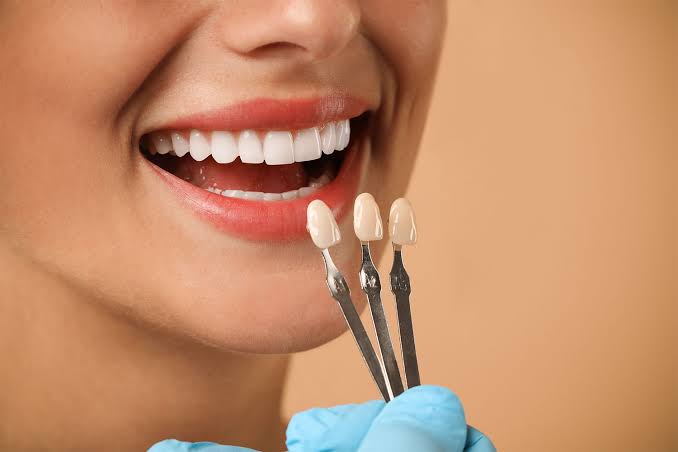
Modern cosmetic dentistry increasingly focuses on combining oral health, natural aesthetics, and digitally planned treatment. For patients researching Dental Veneers Turkey (Zahnveneers Türkei), understanding the treatment process, material choices, suitability, and clinical planning is essential before making a decision. Veneers are designed to improve the visible appearance of teeth while maintaining an approach that considers the underlying dental structure. A professional consultation helps determine whether laminate or zirconium treatment is appropriate for the individual case.
What Are Dental Veneers?
Dental veneers are custom-made restorations designed to improve the appearance of selected teeth. Laminate veneers are thin coverings bonded to the front surface of teeth and may be used to address concerns involving tooth colour, shape, size, minor alignment irregularities, gaps, or damaged edges. The treatment is planned according to the existing tooth structure and the desired smile design.
Zirconium veneers provide another option when patients require a combination of aesthetic appearance and structural strength. Zirconium is a metal-free ceramic material with light-transmitting properties that can create a natural-looking result. The suitability of each material depends on factors assessed during a dental examination.
How Does the Treatment Process Work?
Professional veneer treatment normally begins with examination and planning. The dentist assesses the teeth, gums, bite, and overall oral condition before recommending an appropriate approach. Digital workflows can support accurate treatment planning and help create a more individualized smile design.
For laminate veneers, preparation may involve removing a very thin layer from the front surface of the tooth, although preparation requirements vary between cases. Measurements are then taken so that the laboratory can produce restorations suited to the patient’s dental anatomy. A trial and fitting stage allows the appearance and fit to be assessed before permanent bonding.
Zirconium treatment follows a similar planning principle. After examination and preparation, dental measurements are taken and the restoration is custom-made. A temporary restoration may be used while the final veneer is being prepared before the permanent restoration is placed.
Which Dental Concerns Can Veneers Address?
Clinical information shows that veneers can be considered for several cosmetic dental concerns. These include persistent discoloration that does not respond adequately to whitening, chipped or worn teeth, irregular tooth shapes, and spaces between teeth. They may also be considered when patients want to refine tooth proportions as part of a broader smile-design plan.
However, veneers are not automatically suitable for every patient. Existing decay, gum problems, significant bite concerns, or other oral-health issues may need to be addressed before cosmetic treatment begins. A dentist should therefore evaluate the complete oral condition rather than selecting veneers solely on the basis of appearance.
Why Is Digital Planning Important?
Digital dentistry has become an important part of modern treatment planning. A digital workflow can connect diagnosis, smile design, measurements, and treatment implementation, helping clinicians work with greater precision. Seçkin Dental describes a fully digital workflow and personalized treatment planning as part of its clinical approach.
For international patients, organized communication is equally important. The clinic’s process includes online assessment, review of dental images and radiographs, treatment-plan preparation, and assistance with travel planning. This structure allows patients to understand the proposed treatment before travelling.
What Should Patients Consider Before Treatment?
A well-planned veneer treatment should prioritize healthy teeth and gums, suitable materials, accurate fitting, and realistic aesthetic expectations. Patients should discuss tooth preparation, restoration material, maintenance requirements, bite considerations, and follow-up care with their dentist.
Dental veneers are not simply a cosmetic covering; they are a clinical treatment requiring careful assessment and personalized planning. When diagnosis, material selection, digital precision, and professional communication work together, patients can approach smile treatment with clearer expectations and a stronger understanding of the process.