Joshua Wilson
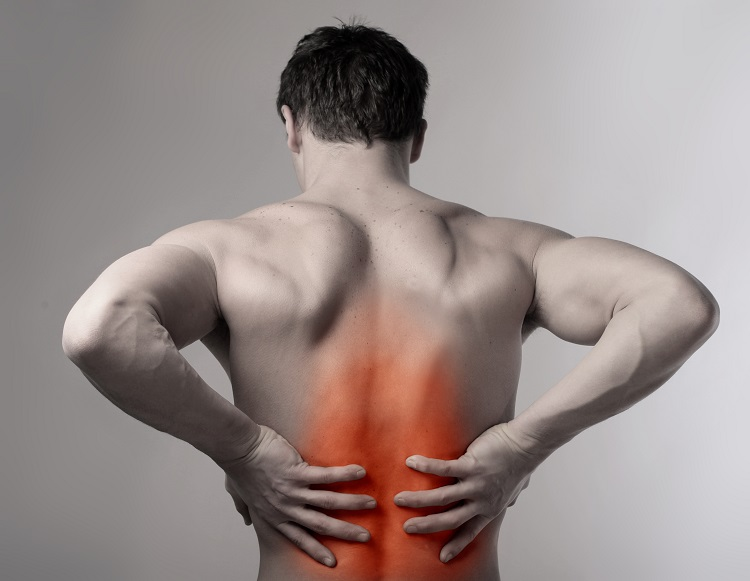
Whether it is a slipped disc, sciatica, hormonal lower back pain, or pregnancy-related back pain, we all know at least one woman in our family who experiences back pain. According to recent research, women are more likely to experience various types of back pain. Chronic back pain conditions are more common in women, and some are unique to them. Changes in the pelvic muscle structure during pregnancy and childbirth, hormonal fluctuations during the reproductive phase, and hormonal changes following menopause may all contribute to higher incidences of back pain in women. Another contributing factor is that the majority of women are expected to take on the role of mother or caregiver. This frequently starts a chain reaction of overuse injuries to the back muscles.
Coccydynia
Pain in the tailbone at the end of the spine, known as coccydynia, affects women four times more frequently than men. When touched, the painful area frequently feels sensitive and may hurt. It may be brought on by mishaps, falls, injuries sustained during pregnancy, or bad posture. Daily activities like sitting, driving, and doing housework can be significantly impacted by the pain.
Women’s back pain during and after pregnancy
The relaxing hormone secreted during pregnancy facilitates the relaxation of the muscles surrounding the pelvis. In this way, as the fetus grows during pregnancy, the muscles are able to relax. The drastic change in center of gravity and weight distribution can put more strain on the spine, leading to sciatica, lower back pain in women, and lower back pain brought on by hormones. The body no longer secretes relaxin after childbirth, but the absence of sufficient muscle support for the spine can leave the body susceptible to back pain.
Compression fracture
Women experience bone demineralization after menopause. Osteoporosis is the condition that results from this. The bones become more brittle and lose their structural integrity. The compression fracture of the spine is the most common site in women. This may frequently go unnoticed until a noticeable loss of height occurs.
Spinal Osteoarthritis
Age-related changes lead to the wearing down of cartilage layers, which can result in arthritis in the spine. As intervertebral discs dry out, their height decreases. There is a loss of cushioning due to degenerative changes at the facet joints. Women experience back pain as a result of this, especially after the age of 45.
Tailbone pain in menopause
Reduced vitamin D levels caused by declining estrogen levels can be painful if left unchecked. There are numerous symptoms associated with the perimenopausal stage, one of which is tailbone pain. Research has shown a connection between menopause and tailbone pain.
Treatment
Women can experience back pain at any age, starting in their teens. The reasons behind back pain in women differ according to the changes in a woman’s body at different phases of her life. Numerous conditions, including changes in hormone levels, weight gain, weight loss, and pregnancy, can result in back pain. With comprehensive examination and care, Physiotherapy can help treat back pain. Consult now physiotherapist Bolton at Get Moving Physio.