Alexander James
Jewish cultural identity is closely linked to family traditions, religious beliefs, and symbols that have been handed down through the years. In order to record these customs and make them available to those who are interested in Jewish history and heritage, photography is crucial. Pictures depicting religious rituals, traditional attire, and holy items provide important insights into the traditions that influence Jewish communities. Havdalah rituals and yarmulkes are particularly significant among these visual depictions because they show the connection between religion, cultural identity, and daily Jewish living.
The Beauty Of Jewish Rituals And Havdalah Photography
A customary Jewish ritual called Havdalah signifies the end of Shabbat and the start of the new week. Blessings over wine or grape juice, aromatic spices, and a unique braided candle are usually part of the ceremony. Havdalah is a significant manifestation of Jewish spirituality and tradition since each component has symbolic importance.
The ambiance of this significant occasion is captured in genuine Havdalah photos. Images often show hands holding a ceremonial cup, family gathering around a burning candle, and traditional spice boxes set up for blessings. These images convey the coziness and affection connected to Jewish family festivals while maintaining the ritual’s visual aspects.
This kind of visual has instructional value as well. By looking at the artifacts, gestures, and setting of the ritual, those who are not acquainted with Jewish traditions might have a better understanding of it. Photographs provide younger generations a visual link to religious rituals that have been important throughout Jewish history.
Yarmulke Images As A Jewish Identity Symbol
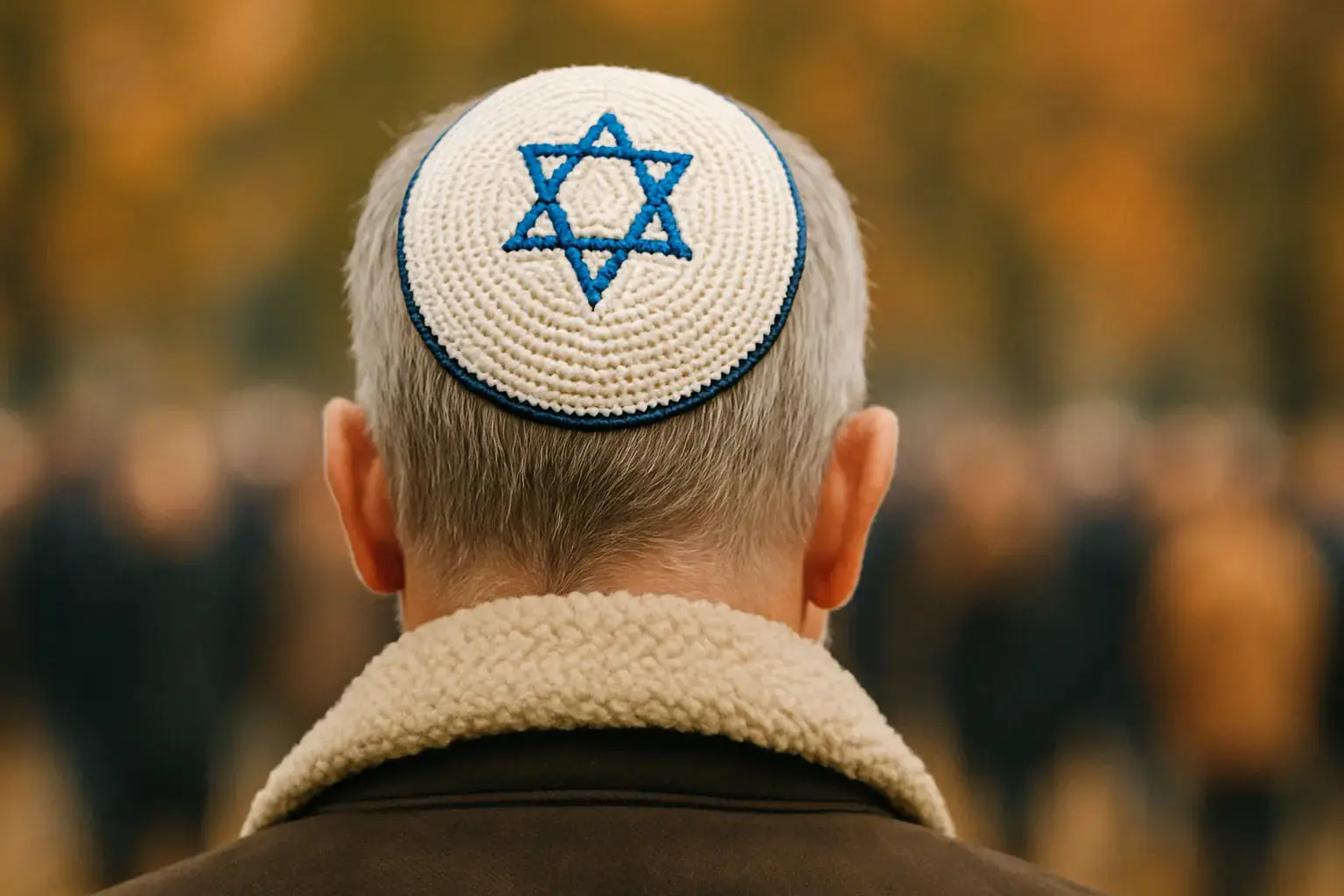
Many Jewish men and boys wear the yarmulke, also known as a kippah, as a traditional head covering. Jewish communities differ in how they wear it; some wear it all day, while others wear it just at religious rituals, prayers, or special events.
The cultural and theological importance of this iconic emblem is shown in traditional yarmulke pictures. Simple black kippahs, vibrant crocheted patterns, or ornamental head coverings used at weddings, bar mitzvah festivities, and synagogue services may all be seen in photos.
The diversity of Jewish communities is reflected in the range of styles. Various materials, hues, and patterns might symbolize individual tastes, family rituals, or local traditions. Photography contributes to the preservation of a significant facet of Jewish cultural expression by capturing these variances.
Using Religious Photography To Bring Generations Together
Family photos have always been crucial to the preservation of individual histories. Images of religious festivals and customary rituals are often cherished memories of family history in Jewish homes.
Images of youngsters donning their first yarmulkes or grandparents taking part in Havdalah may foster deep bonds between generations. Moments that could otherwise only exist via verbal recollections are preserved by these pictures.
They also promote discussions regarding religious and familial traditions. Younger family members may have a better grasp of their cultural heritage by having parents and grandparents explain Jewish customs via pictures.
Encouraging Jewish Education Using Visual Aids
When teaching religious customs, including distinctive items, attire, and ceremonial acts, visual learning is very beneficial. Photographs are often used by educational institutions, cultural organizations, and community groups to help people understand Jewish practices.
Students may learn about the change from Shabbat to the working week and identify ceremonial artifacts with the use of Havdalah pictures. In a similar vein, students are introduced to traditional Jewish head coverings and their significance in religious and cultural life via yarmulke iconography.
Digital archives, instructional publications, and museum displays all benefit from high-quality pictures. Through easily available and captivating visual materials, these tools enable individuals from many backgrounds to explore Jewish heritage.
Maintaining Cultural Diversity In The Digital Era
Opportunities to record Jewish customs in many nations and groups have increased because of digital photography. Religious traditions may be shared with a larger audience while being preserved thanks to online picture collections.
Images can show both the shared roots of Jewish cultural identity and its many local expressions. Traditional rituals may include regional traditions, familial conventions, and artistic influences while adhering to well-known religious doctrines.
When making these visual archives, it is crucial to have accurate descriptions and courteous portrayals. Photographs that are properly recorded provide historical context and aid in the understanding of the traditions depicted by future generations.
Conclusion
By recording significant religious rituals, identifiable symbols, and familial customs, Havdalah and Yarmulke images help to preserve Jewish cultural identity. These images create ties between generations while offering educational value. Authentic religious photography is still a vital resource for honoring Jewish history and ensuring that its traditions and cultural manifestations are available to future generations as visual archives continue to expand.