Alexander James
Interior aesthetics matter just as much as function when choosing between loft ladder materials. Homeowners planning a loft conversion often discover that loft ladders play a surprisingly visible role in a room’s overall look, especially in open-plan layouts or landings where the ladder remains partially exposed. Aluminium and timber each bring a distinct visual language to a space, and understanding these differences helps homeowners make a choice that complements their existing décor rather than clashing with it.
How does an aluminium loft ladder fit into a modern home?
Aluminium ladders suit contemporary interiors with clean lines, minimalist finishes, and neutral palettes. Their slim profile and metallic sheen pair naturally with industrial-style lofts, modern extensions, or homes featuring exposed steel beams and glass panels. Because aluminium ladders fold compactly and often sit flush against the loft hatch, they create an unobtrusive presence that works well in smaller landings where visual clutter needs to be minimised.
Why do timber loft ladders appeal to traditional and period homes?
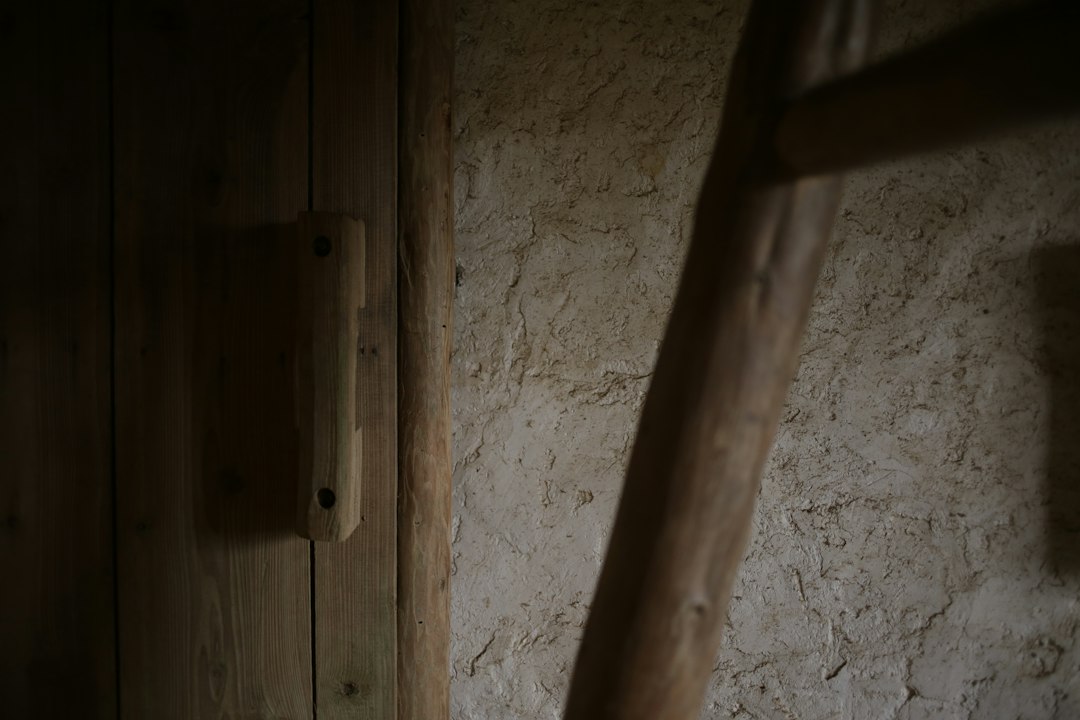
Timber ladders bring warmth and texture that aluminium simply cannot replicate. Their natural grain and classic joinery details make them a favoured choice for period properties, cottages, and homes with exposed wooden beams or traditional staircases. Many homeowners select timber specifically because it ages gracefully, developing a richer tone over the years that complements wooden flooring, skirting boards, and furniture already present in the home.
Can the choice of material affect a loft conversion’s overall design theme?
Yes. A loft conversion often becomes a statement space, whether it is a home office, guest bedroom, or reading nook. Choosing a ladder material that echoes the conversion’s design theme creates a cohesive transition between the lower floors and the new loft area. A rustic, timber-themed conversion benefits from a matching timber ladder, while a sleek, modern loft suits the understated look of aluminium.
Does durability influence the visual outcome over time?
Appearance and longevity are closely linked. Aluminium resists warping and retains its finish regardless of humidity changes, which keeps its appearance consistent for years. Timber, while visually richer, may require occasional refinishing to preserve its colour and texture, particularly in lofts prone to temperature fluctuations.
Which material should homeowners choose for style-conscious renovations?
Choose aluminium if the home favours a modern, low-maintenance aesthetic. Choose timber if the property’s character leans traditional and a warmer, textured finish is the priority. Both materials can elevate a loft conversion when matched thoughtfully to the surrounding interior.
Ultimately, the right loft ladder does more than provide safe access. It complements the architecture, supports the room’s intended atmosphere, and adds a finishing touch that ties the entire conversion together.
What You Need to Know
- Aluminium and timber loft ladders each offer unique visual aesthetics that can complement or clash with a home’s existing décor.
- Aluminium loft ladders are ideal for contemporary interiors due to their slim profile and metallic sheen, making them suitable for industrial-style homes.
- Timber loft ladders are favored in traditional homes for their warmth, texture, and timeless appeal, often developing a richer tone over time.
- The choice of loft ladder material can significantly influence the overall design theme of a loft conversion, creating a cohesive look throughout the home.
- Aluminium ladders require less maintenance and resist warping, maintaining their appearance, while timber ladders may need occasional refinishing to preserve their look.
- Homeowners should choose aluminium for a modern, low-maintenance aesthetic and timber for a traditional feel with a warmer finish.