Joshua Wilson
Introduction
In emergencies, the first few minutes after an injury or disaster can significantly influence survival and recovery outcomes. This is where first responder kits become essential. Designed to provide immediate medical support before professional help arrives, these kits are a critical part of emergency preparedness for homes, workplaces, vehicles, and public spaces.
Understanding what is inside a first responder kit and why each component matters can help individuals respond more effectively during life-threatening situations.
What Is a First Responder Kit?
A first responder kit, often referred to as a trauma or emergency medical kit, is a collection of medical supplies used to treat injuries in urgent situations. Unlike standard home first aid kits, first responder kits are more advanced and include tools for managing serious injuries such as heavy bleeding, fractures, burns, and respiratory distress.
What’s Inside a First Responder Kit?
The contents of a first responder kit are carefully selected to address a wide range of emergency scenarios. While exact items may vary, most kits include the following essential components:
1. Bleeding control supplies:
Items such as tourniquets and pressure dressings are used to control severe bleeding. These are among the most critical tools in the kit, as rapid blood loss can become life-threatening within minutes.
2. Bandages and wound dressings:
Sterile gauze pads, adhesive bandages, and medical tape help cover wounds, prevent infection, and support healing.
3. Airway and breathing tools:
Some advanced kits include CPR masks, airway adjuncts, or resuscitation tools to assist with breathing emergencies.
4. Burn care supplies:
Burn dressings and cooling gels help reduce pain and prevent further tissue damage in burn injuries.
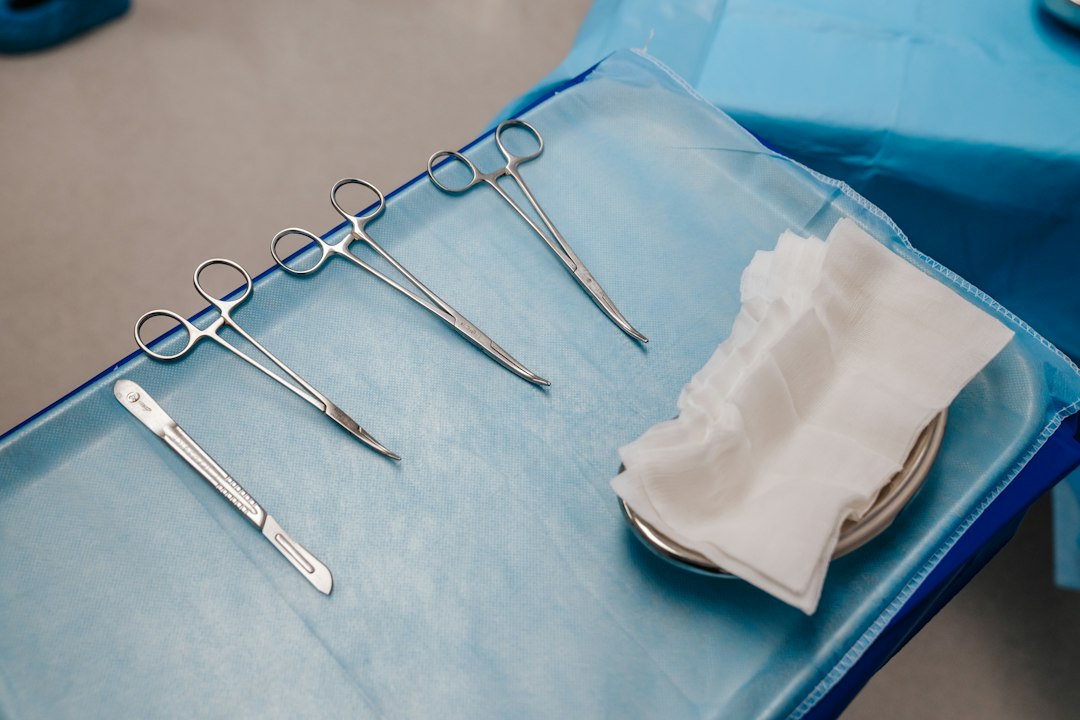
5. Medical instruments:
Scissors, tweezers, and gloves allow responders to safely and effectively treat injuries while maintaining hygiene and precision.
6. Splints and support materials:
These are used to stabilize fractures or sprains and prevent further injury during movement.
Why First Responder Kits Matter
First responder kits play a vital role in bridging the gap between the moment an injury occurs and the arrival of professional medical help.
1. Life-saving intervention:
In cases of severe bleeding, choking, or trauma, immediate action can significantly increase survival chances.
2. Reduces the severity of injuries:
Prompt treatment helps prevent complications such as infection, excessive blood loss, or long-term damage.
3. Essential in remote or delayed-response situations:
In rural areas, natural disasters or large-scale emergencies, medical assistance may be delayed, making these kits even more important.
4. Empowers individuals to act confidently:
Having the right tools and knowledge allows bystanders to respond quickly and effectively instead of feeling helpless.
Where First Responder Kits Are Used
Read the points below to learn about where first responder kits are used:
- Homes and residential buildings
- Schools and educational institutions
- Workplaces and construction sites
- Vehicles and travel kits
- Outdoor and adventure activities
Conclusion
First responder kits are an essential component of any emergency preparedness plan. By containing specialized tools for managing serious injuries, they enable immediate and potentially life-saving action before professional help arrives.
Understanding what is inside these kits and how they function highlights their importance in everyday safety planning. Whether at home, work, or on the move, having a well-equipped first responder kit can make a critical difference when every second counts.

 Alexander James