Joshua Wilson
Modern healthcare is evolving rapidly, moving beyond symptom-based treatment toward more comprehensive and personalized healing systems. This transformation is driven by advances in neuroscience, regenerative medicine, and integrative clinical approaches that focus on restoring balance across both mind and body. Within this progressive medical shift, Dr Lynn Puana represents a forward-thinking approach that combines clinical precision with innovative, science-backed therapeutic solutions designed to help individuals reclaim their health and quality of life.
What is driving the need for cutting-edge integrative medical solutions?
Conventional healthcare models have traditionally focused on treating symptoms through standardized pharmaceutical interventions. While effective in acute care, long-term health data and statistical trends in chronic illness management reveal gaps in sustained recovery. Increasing rates of stress-related disorders, neurological imbalances, and chronic pain conditions highlight the need for more advanced and individualized care strategies.
This has led to the development of integrative medical solutions that combine clinical expertise with therapies supporting neurological, cellular, and emotional healing. The goal is to move beyond temporary relief and instead focus on restoring the body’s natural regulatory systems for long-term wellness.
How does clinical experience contribute to advanced healing approaches?
A deeper understanding of modern healing often comes from multidisciplinary experience across trauma care, psychiatry, and neuroscience. Amir Mahmoud’s extensive frontline medical background demonstrated how complex patient conditions often involve overlapping biological and psychological factors that cannot be addressed through isolated treatments alone.
Within this evolving medical framework, Dr Lynn Puana Denver represents a structured and innovative care environment where advanced clinical science is combined with regenerative and cognitive therapies. This integrated model emphasizes precision-based treatment planning, aiming to improve both neurological function and physical restoration through carefully designed therapeutic systems.
What advanced therapies are helping patients reclaim their lives?
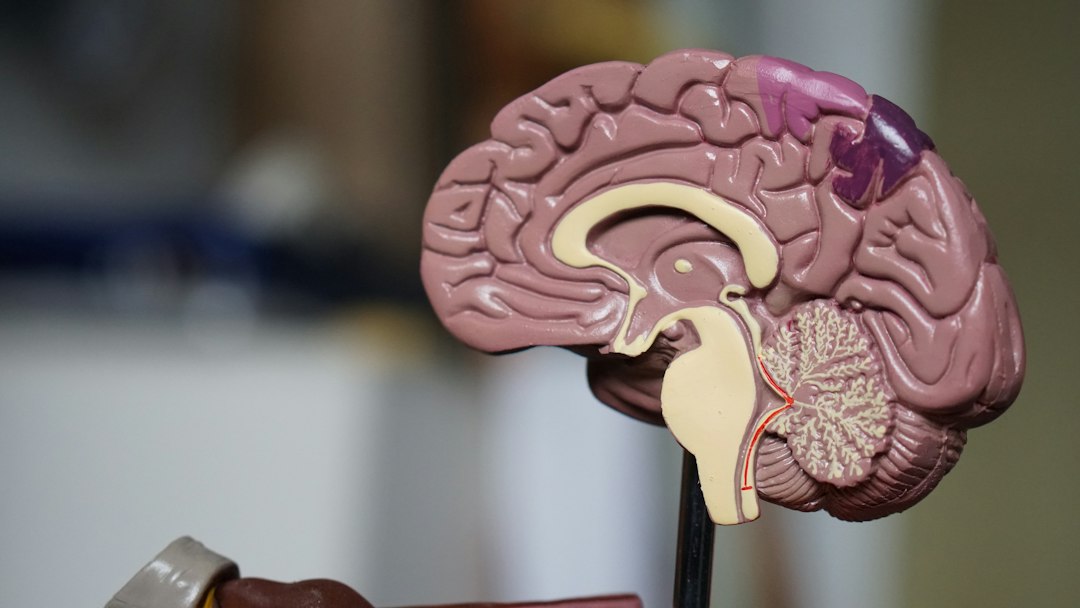
Modern integrative medicine now incorporates a range of science-backed therapies that target both brain and body systems. These include ketamine-assisted protocols for mood and neural pathway support, peptide-based regenerative medicine for cellular repair, psilocybin-informed therapeutic frameworks for cognitive and emotional restructuring, neurocognitive biofeedback for brain optimization, and red light therapy for inflammation reduction and tissue recovery.
Statistical insights from integrative clinical environments suggest improved emotional stability, enhanced cognitive performance, and higher patient engagement when these therapies are used within structured medical programs. These outcomes reflect the growing role of multimodal treatment systems in supporting long-term recovery and wellness.
Why are integrative solutions becoming essential in modern healthcare?
Healthcare trends indicate a rising global demand for personalized and holistic treatment models. Patients are increasingly seeking care that addresses not only physical symptoms but also emotional well-being and neurological balance. Data from evolving medical systems suggests that integrative approaches often result in improved satisfaction rates and more sustainable health outcomes.
This shift reflects a broader understanding that human health is interconnected across biological, psychological, and environmental systems. Integrative medicine responds to this complexity by offering adaptable treatment strategies designed to support the whole person rather than isolated conditions.
How do cutting-edge medical solutions support long-term recovery?
Advanced medical solutions focus on enhancing the body’s natural ability to heal through targeted interventions that support neuroplasticity, cellular regeneration, and emotional regulation. Clinical observations show that patients participating in structured integrative programs often experience improved sleep quality, better cognitive clarity, and reduced symptom recurrence over time.
These outcomes are strengthened by combining evidence-based medical practices with innovative therapies that work in synergy rather than isolation. This comprehensive approach ensures that healing is both measurable and sustainable.
What does the future of integrative medical care look like?
The future of healthcare is moving toward precision-based, adaptive systems that evolve alongside patient needs. Advances in neuroscience, regenerative science, and real-time health monitoring are enabling more personalized treatment models that continuously adjust based on biological feedback and clinical progress.
This future-focused approach also emphasizes patient involvement, encouraging individuals to actively participate in their healing journey. By combining medical expertise with advanced therapeutic tools, healthcare systems are becoming more responsive, effective, and patient-centered.
Conclusion: How can individuals truly reclaim their lives through modern medicine?
Cutting-edge integrative medical solutions represent a transformative step in modern healthcare, offering a pathway toward deeper and more sustainable healing. By combining scientific innovation with a comprehensive understanding of human biology and behavior, Dr Lynn Puana reflects a model of care that prioritizes restoration, balance, and long-term wellness. This evolving approach continues to redefine what it means to reclaim one’s life, offering hope through a seamless integration of clinical excellence and advanced therapeutic innovation.


 Alexander James