Joshua Wilson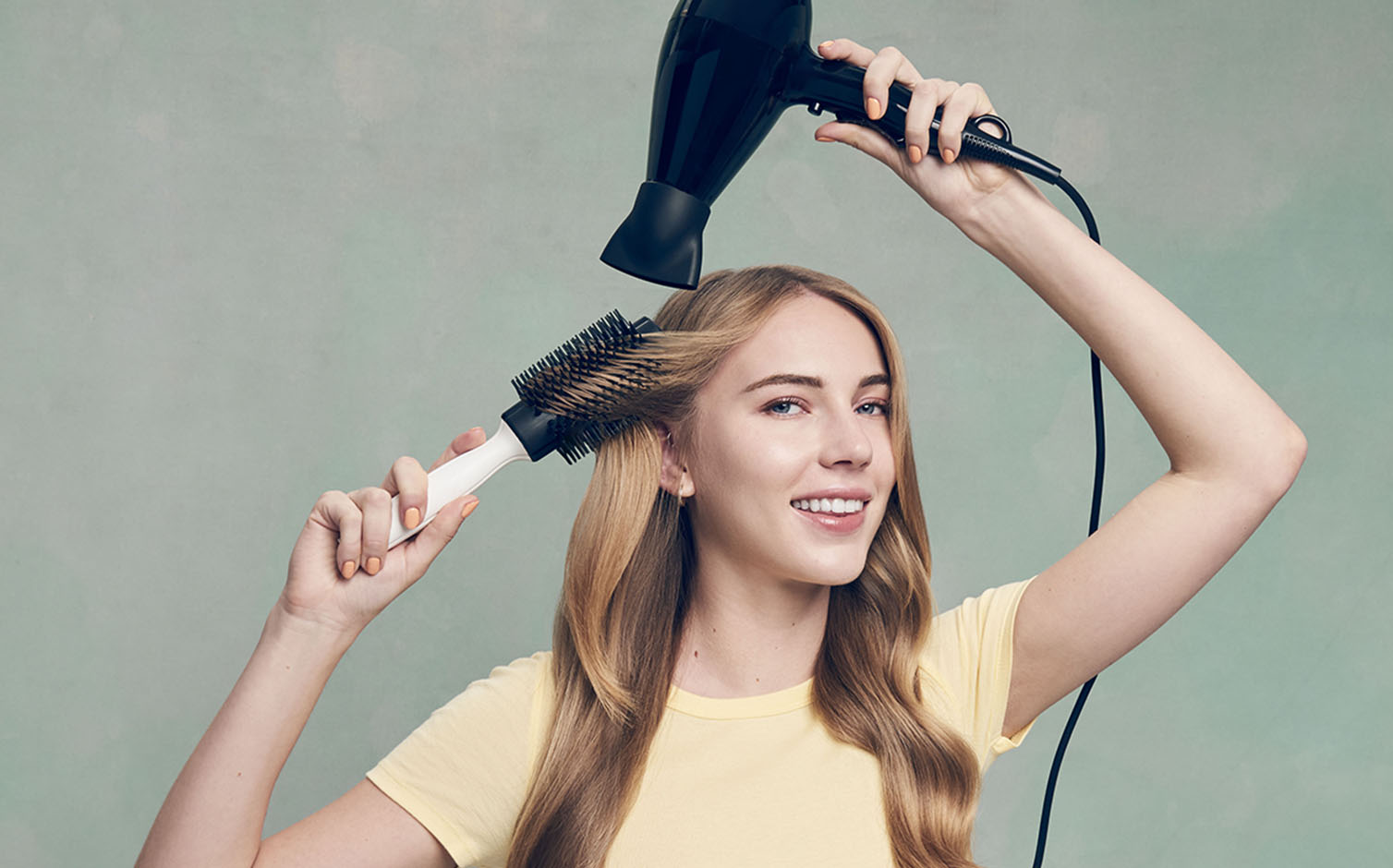
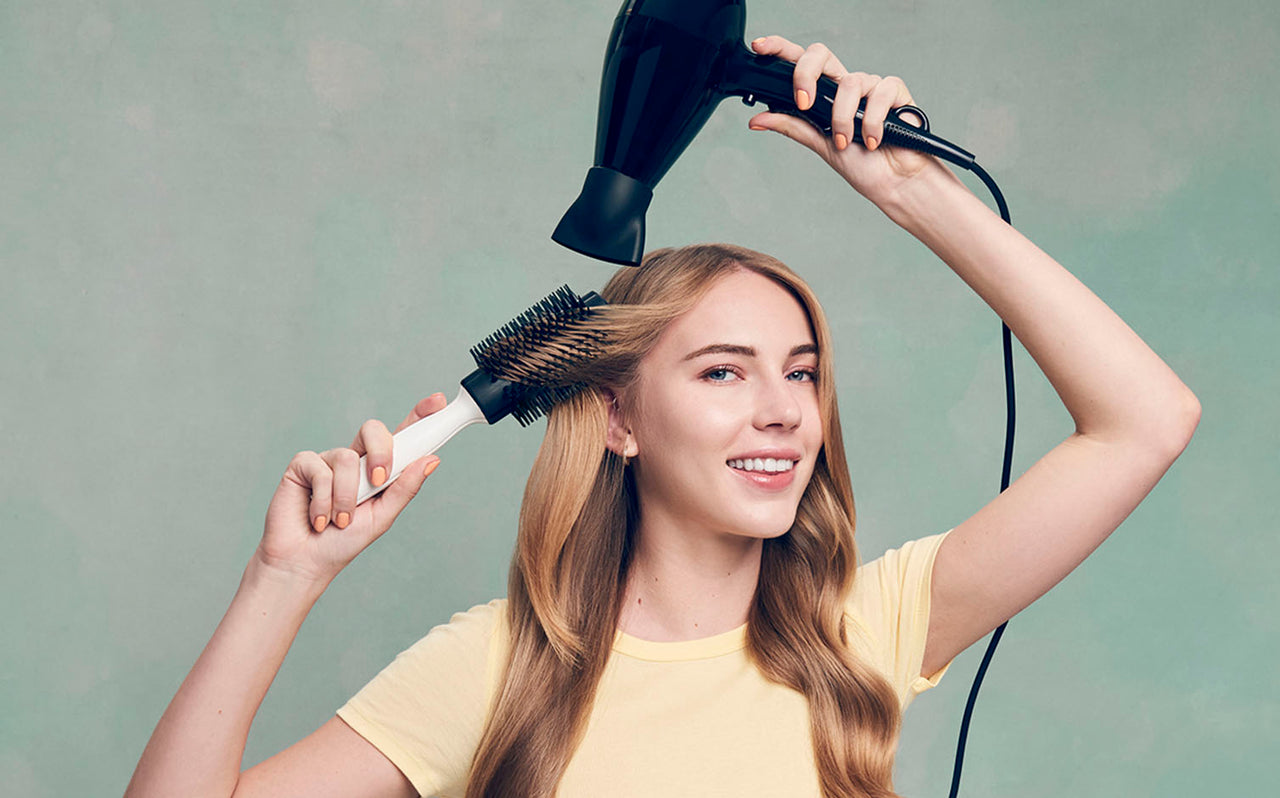
Proper hair drying techniques are crucial for maintaining healthy and beautiful hair. Many people underestimate the impact that drying methods can have on their hair’s overall appearance and health. By understanding the importance of these techniques, you can achieve frizz-free, silky hair that looks salon-fresh every day.
Using a high-quality hair dryer for women is essential in achieving desired results without causing damage. A good hair dryer speeds the drying process and helps lock in moisture, reducing frizz and enhancing shine. Choosing a model with adjustable heat settings is essential to cater to different hair types and minimize heat exposure.
Incorporating a hair volumizer into your routine can enhance your styling efforts by adding body and lift at the roots. This product works best when applied before blow-drying, allowing you to create fuller styles easily. Combined with effective drying techniques, such as sectioning your hair and using a round brush, these tools contribute significantly to achieving professional-looking results at home.
Understanding and implementing proper drying methods is not just about aesthetics; it’s about preserving your hair’s integrity over time. Investing in quality tools and mastering effective techniques ensures that each strand remains healthy while showcasing its natural beauty.
The Right Hairdryer for Your Hair Type
Selecting the right hairdryer can make a significant difference in maintaining the health and style of your hair. When choosing the best hairdryer for frizzy hair, understanding the technology behind different models is crucial.
Ionic Technology: Ionic hairdryers are particularly effective for taming frizz, as they emit negative ions that help to break down water molecules faster, reducing drying time and leaving your hair smoother and shinier.
Ceramic Technology: Ceramic hairdryers provide even heat distribution, which is ideal for preventing damage and ensuring consistent results. If you frequently deal with frizzy locks, you can combine ionic and ceramic technology to achieve optimal smoothness.
Adjustable Temperature Settings: Temperature settings are another vital factor to consider. A dryer with multiple heat settings allows you to adjust according to your specific needs—higher temperatures for quick drying on thicker sections and lower settings for delicate areas or fine hair types.
Lightweight Designs: Lightweight hairdryer options are worth exploring if you travel often or prefer a more comfortable styling experience without arm fatigue. These models offer portability without compromising on power or performance.
Considering these features, you can find a dryer that suits your hair type and enhances your overall styling routine.
The Towel Drying Method
When it comes to drying your hair, the type of towel you use and how you handle your locks can significantly impact the health and appearance of your hair. Understanding the dos and don’ts of towel drying is essential for those seeking to reduce frizz.
Use Microfiber Towels: Microfiber towels are a game-changer for anyone looking to minimize frizz. Their soft, smooth fibers are designed to absorb moisture quickly without causing friction damage. Unlike traditional cotton towels, microfiber options gently wick away water from your strands without roughing up the cuticle layer, which is crucial for maintaining smoothness.
Don’t Rub Vigorously with Cotton Towels: Cotton towels are an everyday household staple; they can harm hair health if misused. The coarse texture of cotton can create unnecessary friction when rubbed against wet hair, leading to breakage and increased frizz. Instead of rubbing your hair dry with a cotton towel, opt for blotting or squeezing motions if you use one.
Be Gentle: Regardless of the type of towel you’re using, gentleness is key. Hair is most vulnerable when wet; handling it carefully will prevent undue stress on the strands. Gently wrap your hair in a microfiber towel or turban and allow it to absorb excess water naturally.
By following these simple yet effective tips on towel drying methods—choosing microfiber over cotton and avoiding vigorous rubbing—you’ll be well on your way to reducing frizz and maintaining healthier-looking hair.
The Blow-Drying Technique
Achieving silky smooth hair with a blow-dryer is more than just blasting your locks with hot air. It requires a methodical approach and techniques to ensure your hair always looks salon-fresh. Here’s a step-by-step guide to mastering the blow-drying technique.
Sectioning Hair: Start with sectioning your hair. This is crucial for an even blow-dry and prevents unnecessary tangling. Divide your hair into manageable sections using clips or ties, typically starting from the bottom layers and working upwards. This allows you to focus on smaller portions of hair at a time, ensuring each strand is thoroughly dried and styled.
Using Round Brush: Incorporate a round brush as you dry each section. The round brush is essential for creating volume and smoothing out frizz. As you move the dryer over each section of hair, roll the brush under or over, depending on whether you’re aiming for inward or outward curls at the ends.
Cool Air Setting: One often overlooked but highly beneficial step is utilizing the cool air setting on your dryer once most moisture has been removed from your hair. The cool air helps set your style in place while adding shine and reducing heat damage, leaving you with that coveted silky smooth finish.
Following these steps, you can transform everyday blow-drying into an art form that results in beautifully sleek locks every time.
Common Issues With Hair Drying Techniques
When achieving the perfect blow-dried look, encountering issues like dry ends and static electricity can be frustrating. Fortunately, there are effective ways to troubleshoot these common problems and maintain healthy, smooth hair.
A good foundation is essential to fix dry ends from blow-drying. Use a moisturizing shampoo and conditioner to hydrate your hair before styling. Applying a heat protectant spray is also crucial as it creates a barrier that minimizes damage from high temperatures. When drying your hair, opt for the lowest heat setting possible and keep the dryer moving continuously rather than focusing on one spot for too long. This method helps prevent overdrying specific areas.
Reducing static electricity in dried hair tips often involves addressing moisture levels in the air and your hair. Using an ionic hair dryer can be particularly beneficial as it emits negative ions that help neutralize static charge while smoothing the cuticle of each strand. Incorporating a leave-in conditioner or anti-frizz serum into your routine can provide extra moisture and control flyaways.
Adjusting your technique and incorporating these tips into your routine allows you to enjoy beautifully blow-dried hair without compromising its health or appearance.

 Alexander James